Where To Get Best Thermal Wear For Winter
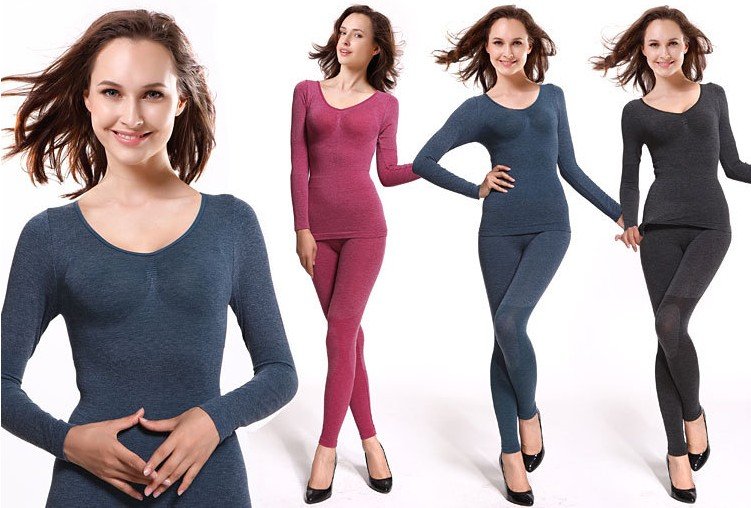
Table Of Contents
- What Is Thermal Wear And Who Needs It?
- Types Of Thermal Fabric Compared
- Best Thermal Wear For Women
- Best Thermal Wear For Men
- Where To Get The Best Thermal Wear
- How To Choose The Right Size And Fit
- How To Care For Your Thermal Wear
- Thermal Wear For Sports And Outdoor Activities
- Frequently Asked Questions
When the temperature drops, the goal is simple: stay warm without disappearing under three sweaters and a coat. That is exactly the job of thermal wear. This guide covers what thermal wear actually is, the fabrics worth paying for, how thermal wear for women and thermal wear for men differ, where to shop for it, and how to size, style, and care for it so it lasts more than one winter.
What Is Thermal Wear And Who Needs It?
What: Thermal wear (also called thermal inner wear or winter inner wear) is a thin, close-fitting base layer worn under regular clothes. It traps a layer of warm air between the fabric and your skin instead of relying on bulk for warmth.
Who: Anyone who feels the cold easily, commutes outdoors, works in unheated spaces, or plays winter sports benefits from thermal wear — it is made for men, women, and kids alike.
When: Thermal wear earns its place as soon as daytime temperatures start dropping into single digits (Celsius) and layering becomes necessary.
Where: It is worn as the very first layer, directly against the skin, under shirts, sweaters, or uniforms.
Why: Because it insulates without weight. A thin thermal top under a jacket often keeps you warmer than one heavy wool sweater alone, and it does so without making you look or feel bulky.
How: Thermal fabric works by trapping body heat in tiny air pockets within the fibers while pulling moisture away from the skin, so you stay warm and dry at the same time.
Types Of Thermal Fabric Compared
Not all thermal wear is made the same way. The fabric determines how warm, breathable, and durable it will be, so it is worth understanding your options before you buy.
| Fabric | Warmth | Breathability | Best For |
|---|---|---|---|
| Merino Wool | Excellent | High | Extreme cold, multi-day wear without odor |
| Cotton Blend | Moderate | Moderate | Everyday indoor and mild outdoor cold |
| Synthetic (Polyester/Polypropylene) | Good | High (moisture-wicking) | Sports, hiking, active outdoor use |
| Fleece-Lined | Very High | Low | Severe cold, low-activity days |
Best Thermal Wear For Women
Thermal wear for women is generally cut with a fitted waist and a shorter torso so it layers smoothly under fitted tops, kurtas, or dresses without bunching.
What To Look For In Women’s Thermal Wear
- A soft, stretchable thermal inner for women that moves with the body rather than restricting it
- Seamless or flat-seam construction so nothing shows through fitted outerwear
- Full sets (top and bottom) for maximum warmth, or just a top if you already layer with warm bottoms
- A slightly higher neckline option for wear under collared or open-neck tops
Best Thermal Wear For Men
men’s thermal inner-wear is usually built with a broader chest and shoulder cut and slightly longer sleeves and legs, since it is most often layered under shirts, jackets, and formal wear for work.
Ways To Wear Men’s Thermal Inner Wear
- As a base layer under a shirt and jacket or blazer for a clean, un-bulky office look
- As a full top-and-bottom set under trousers on the coldest days
- Alone as a fitted long-sleeve top with a light jacket on milder winter days
- Under travel clothing to keep luggage light while staying warm on the move
Where To Get The Best Thermal Wear
Thermal wear is easy to find once you know which type of retailer suits your needs:
- Department store innerwear sections – good for basic cotton-blend thermals at accessible prices.
- Dedicated winterwear and hosiery brands – carry a wider range of thermal wear for women and men, including full sets in more fabric options.
- Sportswear and outdoor retailers – best source for synthetic, moisture-wicking thermal base layers built for hiking, skiing, or running.
- Online marketplaces – let you filter by fabric, size, and customer reviews, and are usually the easiest way to compare thermal inner wear for winter across several brands at once.
How To Choose The Right Size And Fit
- Measure your chest, waist, and hip with a soft tape measure while wearing regular underwear.
- Compare your measurements to the brand’s specific size chart, not just the generic size label.
- Choose a snug, second-skin fit — thermal wear should never feel tight enough to restrict movement, but it should not have loose folds either.
- If you are between sizes, size down for wool and cotton blends (they can loosen slightly after washing) and size true for synthetic blends.
How To Care For Your Thermal Wear
Good thermal wear can last several winters if it is cared for properly:
- Wash in cold or lukewarm water on a gentle cycle
- Skip fabric softener, as it coats the fibers and reduces insulation
- Air dry instead of tumble drying, especially for wool blends that can shrink
- Store folded rather than on hangers to keep the fabric’s shape
Thermal Wear For Sports And Outdoor Activities
Thermal wear is one of the most practical base layers for winter sports and outdoor activity. It keeps the body warm, wicks sweat away during exertion, and moves freely without the bulk of a heavy jacket underneath. For running, hiking, or skiing, a synthetic or merino wool thermal set is generally the better choice over cotton blends, since it stays warm even if it gets slightly damp.
Frequently Asked Questions
What is thermal wear?
Thermal wear is a thin, close-fitting inner layer worn under regular clothes to trap body heat and keep you warm without added bulk.
Where can I buy good thermal wear for winter?
Department store innerwear sections, dedicated winterwear brands, sportswear retailers, and online marketplaces all carry quality thermal wear.
What is the best fabric for thermal wear?
Merino wool for maximum warmth and odor resistance, cotton blends for everyday comfort, and synthetics for active, moisture-heavy use.
Should thermal wear fit tight or loose?
Snug and close to the skin. A loose fit lets warm air escape and reduces its insulating effect.
Are thermals different for men and women?
The fabric technology is the same, but the cut differs — narrower and shorter for women, broader through the shoulders for men.
Can thermal wear be worn every day?
Yes, with two or three sets in rotation so one is always clean while another is being worn.
How do I wash thermal wear without ruining it?
Cold or lukewarm water, a gentle cycle, no fabric softener, and air drying instead of a tumble dryer.
Is thermal inner wear good for sports and outdoor activities?
Yes, it is an excellent base layer for winter sports since it insulates and wicks sweat without adding bulk.
Can kids wear thermal inner wear too?
Yes, thermal inner wear is widely available in kids’ sizes for school and outdoor play.
How many thermal sets do I need for winter?
Two to three sets are usually enough for a full winter season.
Does thermal wear work under formal or party clothes?
Yes, thin thermal wear sits flat under formal or party outfits without showing through or adding bulk.
Final Thoughts
Thermal wear is one of the simplest ways to stay warm all winter without piling on heavy layers. Once you know the right fabric, the right fit, and where to shop, building a small rotation of thermal wear for women or thermal wear for men is a one-time job that pays off every cold season. If you are also refreshing your winter wardrobe beyond innerwear, take a look at our guide to the Best Women Clothing Brands In Pakistan for outerwear and styling ideas to pair with your thermals.
About Author