What Is PPC? Full Form, Meaning, And How It Works
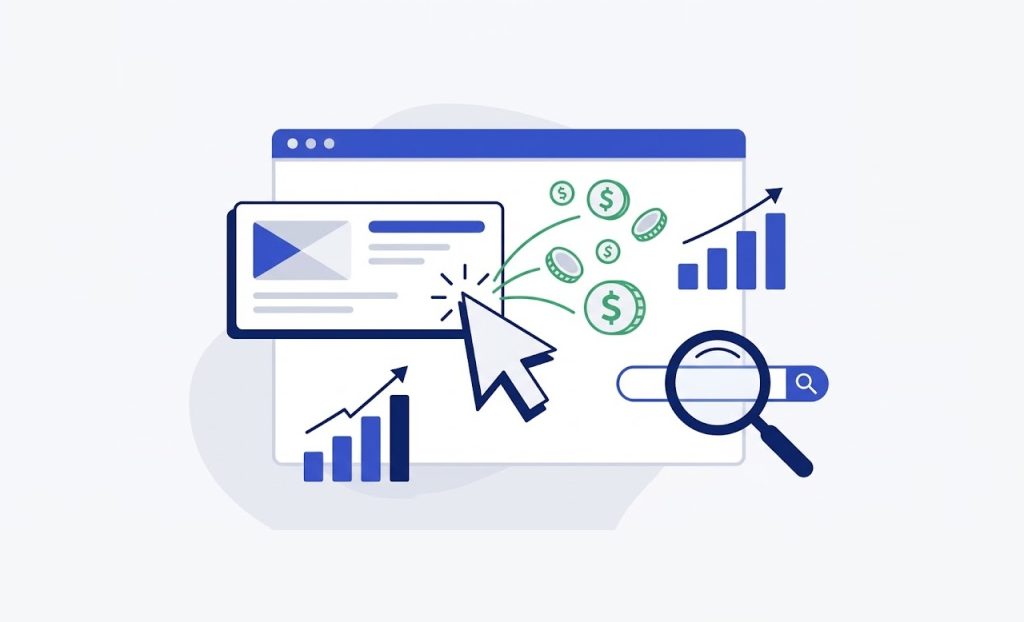
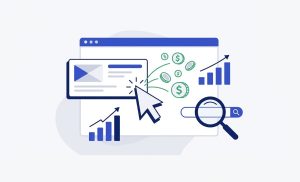
If you’ve ever seen an ad at the top of a Google search result marked “Sponsored,” you’ve already seen PPC in action. It’s one of the most common terms in digital marketing, yet a huge number of searches for it are simply people trying to figure out what is PPC in the first place — the full form, the meaning, and how it actually works.
This guide breaks it down in plain English: what PPC stands for, how it works step by step, how it compares to SEO, and what it typically costs to run — including a look at how PPC costs vary by country, from the US down to markets like Romania.
📌 Full form: Pay-Per-Click
💰 You pay only when someone clicks your ad, not just for showing it
📊 Common platforms: Google Ads, Microsoft Ads, Meta Ads
⏱️ Results: Fast (hours to days) compared to SEO (months)
🌍 Average CPC varies widely by country and industry
Table of Contents
- What Is PPC? (Full Form and Meaning)
- How PPC Works Step by Step
- Where PPC Ads Run
- How Much Does PPC Cost?
- PPC vs SEO: What’s the Difference?
- When Should You Use PPC?
- Common PPC Mistakes Beginners Make
- Frequently Asked Questions
- Conclusion
1. What Is PPC? (Full Form and Meaning)
Who it’s for: businesses, marketers, and beginners trying to understand paid online advertising.
What it is: the PPC full form is Pay-Per-Click — an advertising model where you pay a fee each time someone clicks your ad, rather than paying a flat amount just to display it.
When it’s used: whenever a business wants fast, measurable traffic to a website, landing page, or product listing.
Where it appears: search engines like Google, social platforms like Meta and LinkedIn, and display networks across the web.
Why it matters: unlike traditional ads, PPC is fully trackable — you know exactly what you paid and what came from it.
How it fits in: PPC sits inside the broader category of paid digital marketing, working alongside (not instead of) SEO and content marketing.
2. How PPC Works Step by Step
Step 1: Keyword or Audience Selection
Advertisers choose the search terms (for search ads) or audience characteristics (for social/display ads) they want their ad to appear for.
Step 2: Bidding
Advertisers set a maximum bid — the highest amount they’re willing to pay per click. This feeds into an auction that runs every time a matching search or impression happens.
Step 3: Ad Auction and Quality Score
Platforms like Google Ads don’t just award the top spot to the highest bidder — they also factor in a Quality Score based on ad relevance and landing page experience, which can let a lower bid still win a better position.
Step 4: Ad Goes Live
The winning ad is shown to the user, marked clearly as an ad or sponsored result.
Step 5: Payment on Click
The advertiser is only charged when someone actually clicks the ad — not for the impression itself.
3. Where PPC Ads Run
- Google Ads — search ads, Shopping ads, and the Google Display Network.
- Microsoft Ads (Bing) — similar search-ad format, often lower competition and lower CPC.
- Meta Ads — Facebook and Instagram, targeted by audience interest and behavior rather than search intent.
- LinkedIn Ads — targeted by job title, industry, and company size, mainly for B2B.
4. How Much Does PPC Cost?
PPC cost is measured in CPC (cost per click), and it varies significantly by industry, competition, and country. Highly competitive industries like legal and insurance tend to have the highest CPCs, while niche or low-competition markets can cost just a few cents per click. Advertisers running international campaigns often see this play out directly — a click from a high-competition market like the US can cost several times more than the same keyword targeted at a lower-competition market like Romania, which is why many advertisers segment campaigns by country rather than running one global bid.
5. PPC vs SEO: What’s the Difference?
| Factor | PPC | SEO |
|---|---|---|
| Speed | Fast — traffic starts immediately | Slow — typically months to build |
| Cost structure | Pay per click, ongoing | Upfront effort, more sustainable long-term |
| Traffic once you stop | Stops immediately | Continues (rankings persist) |
| Best for | Quick launches, testing offers, promotions | Long-term, compounding organic growth |
6. When Should You Use PPC?
- Launching a new product or website and needing traffic before Google SEO rankings build up.
- Running a time-limited promotion or sale.
- Testing which keywords or offers convert before investing in long-term SEO content.
- Targeting highly specific, high-intent searches where being on page one instantly matters.
7. Common PPC Mistakes Beginners Make
- Not using negative keywords, which leads to wasted spend on irrelevant clicks.
- Ignoring Quality Score and only competing on bid amount.
- Failing to track conversions, so spend can’t be tied to actual results.
- Running one global campaign instead of segmenting by country or region, where cost and competition can differ sharply.
8. Frequently Asked Questions
1. What is PPC?
PPC stands for Pay-Per-Click, an advertising model where advertisers pay a fee only when someone clicks their ad.
2. What is the full form of PPC?
The full form of PPC is Pay-Per-Click.
3. What does PPC mean in digital marketing?
In digital marketing, PPC refers to paid ads — on platforms like Google or Meta — where cost is based on clicks rather than impressions.
4. What is PPC marketing?
PPC marketing is the overall strategy of planning, bidding on, and optimizing pay-per-click ad campaigns to drive traffic and conversions.
5. Is PPC better than SEO?
Neither is strictly “better” — PPC delivers faster results but stops when you stop paying, while SEO takes longer but builds lasting organic traffic.
6. How is PPC cost calculated?
Cost is based on an auction system combining your bid amount and Quality Score, and it’s charged per click rather than per impression.
7. Does PPC cost the same in every country?
No — CPC varies widely by country due to differences in competition and advertiser demand; markets like Romania, for example, often see lower average CPCs than highly competitive markets like the US.
8. What platforms support PPC advertising?
The main platforms are Google Ads, Microsoft Ads, Meta Ads, and LinkedIn Ads, each with different targeting options.
9. Can small businesses afford PPC?
Yes — most platforms let advertisers set daily budgets, so campaigns can start small and scale once performance data comes in.
10. What’s the difference between PPC and CPC?
PPC is the overall advertising model; CPC (cost per click) is the actual metric that measures how much each click costs within that model.
9. Conclusion
At its core, PPC is simple: Pay-Per-Click advertising means you only pay when someone actually clicks your ad, giving you fast, trackable traffic that SEO alone can’t match in the short term. Used alongside SEO rather than instead of it, PPC is one of the fastest ways to get in front of the right audience while your organic content builds up in the background.
For more on building the organic side of your strategy, check out our guide on turning YouTube videos into text content for repurposing ideas.
About Author