What Makes Good Sports Photography and Where to Find It
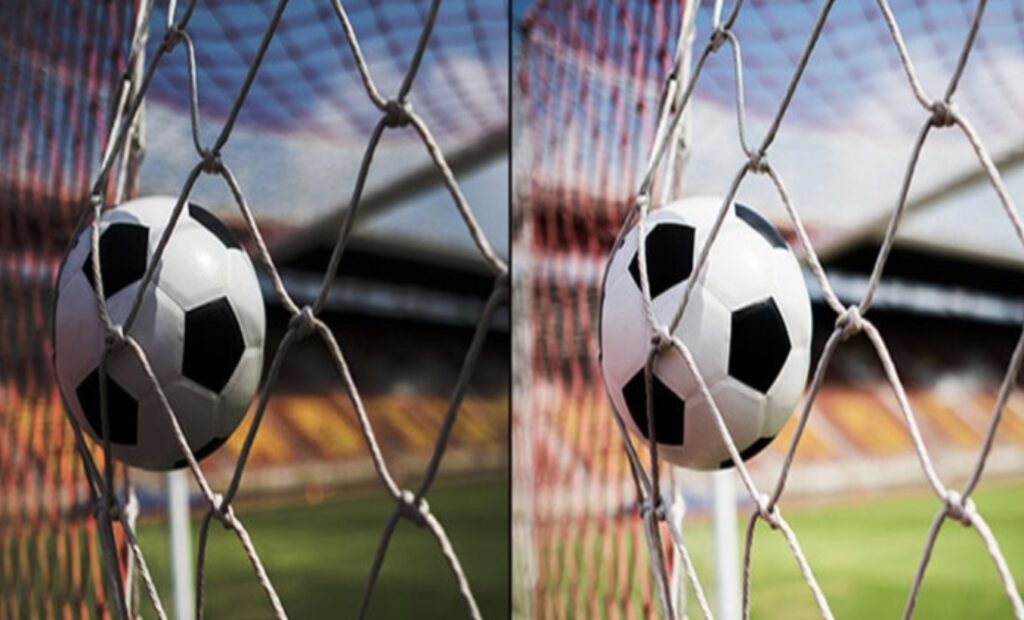
Sports photography is one of the most dynamic forms of visual storytelling. Unlike still life or landscape photography, sports images capture movement, emotion, and moments that are fleeting and often unpredictable. For content creators, journalists, and brands, a great sports photo can convey excitement, tension, and drama in a single frame, making it an indispensable tool for storytelling.
But what exactly makes sports photography effective, and where can creators find high-quality images they can use responsibly?
Elements of Great Sports Photography
- Timing and Action
The most defining feature of sports photography is the ability to capture peak moments. Whether it’s a basketball player leaping for a dunk, a sprinter crossing the finish line, or a goalkeeper making a diving save, the timing of the shot is critical. Photographers often anticipate movements, understanding the flow of the game to capture decisive action in sharp detail.
- Emotion and Expression
Beyond the physical action, strong sports photography captures human emotion. The intensity of a player’s focus, the joy of victory, or the disappointment of a missed opportunity adds depth and relatability to an image. Emotion draws viewers in and allows them to feel connected to the story behind the action.
- Composition and Framing
Good sports images are composed deliberately. Even in chaotic scenes, attention to framing ensures that the main subject stands out. Using techniques like the rule of thirds, leading lines, and depth of field helps isolate athletes and highlight the moment, making images visually compelling.
- Lighting and Clarity
Lighting can make or break a sports photo. Proper exposure, contrast, and clarity ensure that action is readable and visually striking. While natural lighting is often used in outdoor sports, photographers working indoors or in stadiums must adjust for artificial lights and fast movement.
- Context and Storytelling
A great sports photo tells a story at a glance. Background elements like the crowd, the field, or event signage can provide context, giving the viewer a sense of place and occasion. The best images balance action with environment, providing both drama and understanding.
Where to Find High-Quality Sports Photography
Finding the right images for blogs, news stories, or social media requires understanding both quality and licensing. Using photos without proper permission can lead to legal issues, so sourcing responsibly is essential.
- Vecteezy
Vecteezy is widely known for vectors and illustrations, but its editorial photography section has grown to include high-quality sports images. The editorial photos capture authentic moments from real games, tournaments, and events, making them ideal for blogs, feature articles, and news pieces. Licensing is clear, which helps content creators stay compliant while using compelling visuals.
- Getty Images
Getty Images remains a gold standard for professional sports photography. With access to global events, major leagues, and historic archives, Getty provides both real-time coverage and iconic sports moments. While more expensive than other options, Getty’s editorial licenses allow usage for reporting and commentary, making it suitable for journalists and publishers who require credibility and authenticity.
- Shutterstock
Shutterstock offers a broad selection of editorial sports photography, including current events, competitions, and athlete profiles. It is accessible for independent creators and small businesses while providing clear guidelines for editorial usage. Its search tools make it easier to find images that align with specific articles or social campaigns.
- Unsplash
For creators seeking free imagery, Unsplash provides high-quality sports photos contributed by photographers worldwide. While not as extensive as Getty or Shutterstock, Unsplash is ideal for blogs, personal projects, or small media outlets that need visually appealing content without the cost. Free images should still be credited whenever possible, and their editorial context should be respected.
- Sports Illustrated Archives
For historic or iconic sports moments, the Sports Illustrated archives offer a rich source of editorial photography. While not a traditional stock service, it provides unparalleled access to classic events and memorable athlete imagery. These photos are especially valuable for feature articles, retrospectives, and storytelling that requires context and authenticity.
Best Practices for Using Sports Photography
When sourcing sports photography, it is important to ensure images are used ethically and legally. Always check licensing terms, use attribution where required, and respect editorial restrictions. Editorial photos are intended for news, commentary, or educational purposes, and should not be used for commercial promotion unless explicitly licensed.
Incorporating images thoughtfully also enhances content. Captions should be accurate, context should be clear, and visuals should complement the narrative rather than distract from it. Using authentic editorial photography not only elevates the visual quality of your content but also reinforces credibility and audience trust.
Conclusion
Good sports photography combines technical skill, storytelling, and timing to capture moments that are both visually striking and emotionally engaging. From the decisive action on the field to the expression of athletes and the context of the event, every element matters.
For content creators, journalists, and publishers, sourcing these images responsibly is just as important as capturing the perfect shot. Platforms like Vecteezy, Getty Images, Shutterstock, Unsplash, and Sports Illustrated provide access to high-quality editorial sports photos that inform, engage, and inspire audiences while ensuring proper licensing and ethical use.
Whether you are producing a blog, crafting a news story, or designing content for social media, the right sports photograph can transform words into an experience that resonates with readers and brings the excitement of sport to life.
About Author