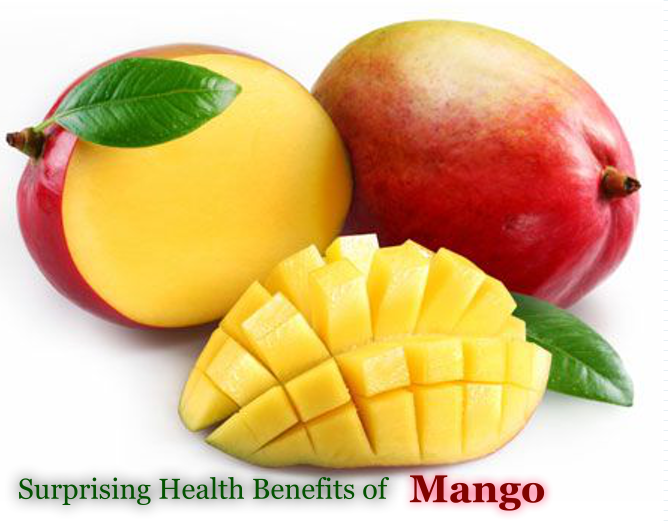
Surprising Health Benefits Of Mango: The Wonder Fruit
What Makes Mango a “Wonder Fruit”?
Mango (Mangifera indica) stands out for its unique combination of vitamins, minerals, fiber, and powerful plant compounds like mangiferin and gallotannins. These bioactive compounds give mango strong antioxidant and anti-inflammatory properties that underpin many of its health benefits.
Key Nutrients in 1 Cup (≈165g) of Sliced Mango
| Nutrient | Amount | % Daily Value (DV) | Why It Matters |
|---|---|---|---|
| Vitamin C | 46–60 mg | 51–67% | Immune support, collagen synthesis, antioxidant defense |
| Vitamin A (as beta-carotene) | 54–89 µg RAE | 6–10% | Vision, skin health, immune function |
| Folate (B9) | 43–71 µg | 11–18% | DNA repair, red blood cell formation, especially important in pregnancy |
| Vitamin B6 | 0.12–0.2 mg | 7–12% | Brain health, neurotransmitter production |
| Vitamin E | 0.9 mg | 6–10% | Lipid-soluble antioxidant, skin protection |
| Potassium | 165–277 mg | 6–8% | Blood pressure regulation, muscle and nerve function |
| Copper | 0.11–0.18 mg | 12–20% | Iron metabolism, brain and immune support |
| Fiber | 2.6 g | 9% | Gut health, satiety, blood sugar moderation |
| Calories | ≈99–124 kcal | 5% | Low energy density for a sweet fruit |
Values vary slightly by variety and ripeness.
Surprising, Science-Backed Health Benefits
1. Supports Blood Sugar Control (Even Though It’s Sweet)
Contrary to popular belief, mango has a low-to-moderate glycemic impact and may actually improve glycemic control. A 24-week human trial found that daily mango consumption improved insulin sensitivity and body composition in adults with prediabetes. The fiber and polyphenols (like mangiferin) slow glucose absorption and reduce post-meal spikes.
2. Aids Weight Management and Satiety
Mango’s fiber and water content (~80% water) promote fullness with relatively few calories (~60 kcal per 100g). Reviews suggest mango may help people feel fuller longer, supporting healthy weight maintenance when part of a balanced diet.
3. Boosts Immunity and Reduces Inflammation
With ~40–67% DV of vitamin C per cup, mango is a potent immune supporter. Its polyphenols also combat oxidative stress and chronic inflammation—key drivers of aging and disease.
4. Protects Skin and Slows Visible Aging
Vitamin C, vitamin E, and beta-carotene work together to protect skin from UV damage, support collagen production, and improve skin elasticity. Emerging research hints at benefits for skin hydration and barrier function.
5. Promotes Heart Health
Mango provides potassium (for blood pressure control), fiber (to help lower LDL cholesterol), and antioxidants that protect blood vessels. Regular intake is associated with reduced risk factors for cardiovascular disease.
6. May Enhance Brain Function
New evidence suggests mango’s gallotannins and anti-inflammatory compounds may support cognitive performance—especially in overweight or obese individuals. While more research is needed, early findings are promising for brain health.
7. Supports Gut and Digestive Health
With 2.6g of fiber per cup and prebiotic-like polyphenols, mango feeds beneficial gut bacteria and supports regular digestion. Some studies note improvements in gut health markers with consistent mango intake.
8. Rich in Folate—Ideal for Pregnancy and Cell Health
Mango delivers 11–18% DV of folate per cup, crucial for DNA synthesis and preventing neural tube defects during early pregnancy. It’s a tasty, natural way to boost this essential B vitamin.
How to Enjoy Mango for Maximum Benefits
- Fresh is best: Eat ripe mango raw to preserve heat-sensitive vitamins like C and folate.
- Pair wisely: Combine with protein or healthy fats (e.g., Greek yogurt, nuts) to further stabilize blood sugar.
- Mind portions: 1 cup (≈165g) is a standard serving—enough to reap benefits without excess sugar.
- Avoid over-ripening: Very soft, overripe mango has higher sugar concentration and lower nutrient density.
Who Should Be Cautious?
- Diabetics: Mango is generally safe in moderation (½–1 cup), especially with meals—but monitor your response.
- Allergy-prone individuals: Those sensitive to latex or cashews may react to mango peel or sap (oral allergy syndrome).
- Kidney concerns: Mango is moderate inBecause they are rich in vitamin C, they are ideal for the absorption of iron and the generation of red blood cells. Which also serves for the formation of collagen, bones, and teeth. For younger kids whose teeth are still growing, Calgary orthodontists recommend a diet high in fresh fruits and vegetables that aid in tooth formation.
About Author