Text to Music AI: Transforming Words into Sound

FreePik.com
In recent years, artificial intelligence has redefined the way humans create content. From images to videos and even written stories, AI has unlocked new creative possibilities. One of the most exciting developments in this space is Text to Music AI, a technology that converts written text into complete musical compositions with vocals, instruments, and professional production quality. This innovation is not only changing how music is made but also who gets to create it.
In this detailed guide, we will explore what Text to Music AI is, how it works, its key features, benefits, use cases, limitations, and future potential—using platforms like TextToSong.ai as a reference model.
What is Text to Music AI?
Text to Music AI refers to a generative AI system that can transform simple written input—such as lyrics, ideas, or mood descriptions—into a fully produced song. These systems analyze your text, understand its emotion, tone, and structure, and then generate matching melodies, vocals, and instrumentals.
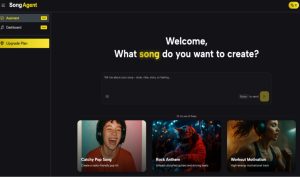
According to modern AI song generators, users can simply type an idea like “an emotional piano ballad about lost love”, choose a genre, and the AI will create a studio-quality track in seconds.
This means that anyone—whether a professional musician or a beginner with no music knowledge—can create songs without needing instruments, studios, or technical skills.
How Text to Music AI Works
At its core, Text to Music AI relies on a combination of advanced technologies such as:
- Natural Language Processing (NLP)
AI analyzes the meaning of your text, including:
- Emotion (happy, sad, energetic)
- Genre (pop, rock, classical)
- Theme (love, adventure, motivation)
- Music Generation Models
These models convert text into musical elements such as:
- Melody
- Harmony
- Chords
- Rhythm and tempo
Modern systems like MelodyLM can even generate melodies directly from text prompts without requiring MIDI or sheet music.
- Vocal Synthesis
AI produces realistic singing voices using neural voice models. These voices match the tone and mood of your lyrics.
- Multi-Track Production
Many tools generate:
- Vocal track
- Instrumental layers
- Bass and percussion
All combined into a fully mixed song.
Key Features of Text to Music AI Platforms
Using platforms like TextToSong.ai as a reference, most Text to Music AI tools offer the following features:
- Instant Song Creation
AI can generate a complete song in under 30 seconds, dramatically faster than traditional music production.
- Multi-Language Support
Users can create songs in multiple languages such as English, Spanish, French, Japanese, and more.
- Genre Flexibility
From pop and hip-hop to jazz and classical, AI can adapt to over 40 music styles.
- Lyrics-to-Music Conversion
Users can paste their own lyrics and the AI composes music that fits the rhythm and meaning.
- Commercial Licensing
Many platforms allow you to use AI-generated music for YouTube, TikTok, ads, and films without royalty payments.
- Customization Options
Users can control:
- Tempo
- Vocal style
- Mood
- Instrumentation
Benefits of Text to Music AI
- Accessibility for Everyone
You no longer need music theory knowledge or expensive equipment. Anyone can become a music creator.
- Speed and Efficiency
Traditional music production can take weeks or months. AI can produce songs in seconds.
- Cost Reduction
No need for:
- Studio time
- Musicians
- Mixing engineers
- Creative Freedom
You can experiment with unlimited styles, genres, and moods instantly.
- Content Creation Advantage
Perfect for:
- YouTube creators
- TikTok videos
- Podcasts
- Advertisements
AI-generated songs can be customized to match your content perfectly.
Use Cases of Text to Music AI
Text to Music AI has wide applications across industries:
- Music Production
Artists use AI to:
- Generate demo tracks
- Explore new styles
- Overcome creative blocks
- YouTube & Social Media Content
Creators can generate:
- Background music
- Theme songs
- Viral TikTok audio
- Advertising & Branding
Businesses can create:
- Brand jingles
- Marketing music
- Audio identity
- Gaming and Film
Developers can generate:
- Soundtracks
- Cinematic music
- Ambient soundscapes
- Education
Teachers (like you as a biology educator) can use AI to create:
- Educational songs
- Memory-based musical lessons
- Creative classroom content
Real-World AI Music Trends
Recent innovations show how powerful Text to Music AI is becoming.
For example, Google’s Gemini AI now includes a music generation system that creates songs from text, images, or videos, allowing users to produce music without any musical experience.
Similarly, AI companies are partnering with major music labels to integrate AI-generated songs into the professional industry, signaling a major shift in how music will be produced in the future.
Challenges and Limitations
Despite its potential, Text to Music AI still has challenges:
- Copyright Concerns
AI models trained on existing music raise questions about originality and ownership.
- Emotional Authenticity
While AI can simulate emotion, some critics argue it lacks human depth.
- Over-Automation
Too much automation could reduce the role of human musicians.
- Quality Variability
Not all AI-generated songs are perfect—some may sound repetitive or generic.
The Future of Text to Music AI
The future of this technology is incredibly promising. We can expect:
- Hyper-Realistic Vocals
AI voices will become indistinguishable from real singers.
- Full-Length Song Generation
AI will generate full albums instead of short clips.
- Real-Time Music Creation
Live AI music generation during performances or streaming.
- Personalized Soundtracks
AI will create music based on your mood, location, or activity.
- AI + Human Collaboration
The best music may come from humans and AI working together.
Why Text to Music AI is a Game Changer
Text to Music AI represents a major shift in creativity:
- It democratizes music creation
- It empowers non-musicians
- It accelerates production
- It unlocks new artistic possibilities
In the same way that AI image generators revolutionized visual art, AI music generators are now transforming the audio world.
Conclusion
Text to Music AI is not just a technological trend—it is a creative revolution. By turning simple text into full musical compositions, this innovation is making music creation accessible to everyone.
Whether you are a YouTuber, marketer, educator, or musician, Text to Music AI opens a new world of possibilities. Platforms like TextToSong.ai demonstrate how quickly and easily ideas can become songs, allowing creators to focus on imagination rather than technical skills.
As AI continues to evolve, we can expect music creation to become faster, smarter, and more personalized than ever before. The future of music is no longer limited to studios and instruments—it begins with a simple line of text.
About Author