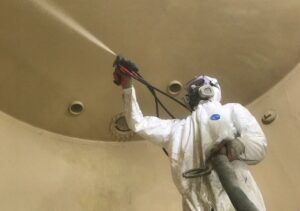
How Weather Impacts Concrete Damage And What Repairs You Need

FreePik.com
Concrete is often praised for its strength and durability, but it is not invincible. One of the most significant factors that affects the longevity of concrete structures is weather. From scorching heat to freezing cold, different weather conditions can cause damage that compromises both the appearance and structural integrity of concrete. Understanding how weather impacts concrete and knowing the right repair methods can help property owners protect their investment and ensure safety. This article explores the effects of various weather conditions on concrete and the repairs needed to restore and maintain it.
The Effects of Heat on Concrete
High temperatures can have a profound impact on concrete. During hot weather, concrete expands, and when temperatures drop, it contracts. This constant cycle of expansion and contraction creates stress within the material, often leading to cracks. Prolonged exposure to heat can also cause surface discoloration and weaken the bond between aggregates and cement paste. Driveways, sidewalks, and outdoor slabs are particularly vulnerable to heat-related damage. Concrete repair Williamsburg for heat-induced cracks typically involve epoxy injections or sealants that bond the concrete and prevent further deterioration. In cases of extensive damage, resurfacing may be necessary to restore both strength and appearance.
Cold Weather and Freeze-Thaw Cycles
Cold climates pose a different set of challenges for concrete. When water penetrates the surface and freezes, it expands, creating internal pressure that leads to cracks and scaling. Repeated freeze-thaw cycles exacerbate the problem, causing layers of concrete to flake off in a process known as spalling. This type of damage not only affects aesthetics but also exposes deeper layers to moisture and chemical attack. Repairs for freeze-thaw damage often involve removing the affected surface and applying a durable overlay or repair mortar. Protective sealants are also recommended to reduce water absorption and minimize future damage.
Rain and Moisture Infiltration
Rain and moisture are among the most common culprits behind concrete deterioration. Water can seep into cracks and pores, leading to erosion, corrosion of steel reinforcement, and weakening of the structure. In humid climates, constant exposure to moisture accelerates the growth of mold and mildew, which can stain and damage surfaces. To repair moisture-related damage, professionals often use waterproofing techniques such as applying sealants or coatings that block water penetration. For deeper structural issues, epoxy injections and reinforcement repairs may be required to restore integrity.
Wind and Abrasion
Strong winds may not seem like a direct threat to concrete, but they can carry abrasive particles such as sand and dust that wear down surfaces over time. This erosion reduces the thickness of protective layers and exposes aggregates, making the concrete more susceptible to other forms of damage. Repairs for wind-related abrasion typically involve resurfacing or applying protective coatings that restore durability and resist further wear.
Seasonal Changes and Combined Effects
Concrete is often exposed to multiple weather conditions throughout the year, and the combined effects can be particularly damaging. For example, a driveway may expand during summer heat, contract during winter cold, and absorb rainwater during monsoon seasons. These cycles create cumulative stress that accelerates deterioration. Preventive maintenance, such as regular inspections and timely repairs, is essential to address small issues before they escalate. Professionals often recommend applying sealants and protective coatings as part of seasonal maintenance to reduce the impact of changing weather.
Professional Repair Techniques
Repairing weather-damaged concrete requires specialized techniques tailored to the type of damage. Epoxy injections are effective for sealing cracks and restoring strength. Slab jacking or polyurethane foam injection is used to lift and stabilize sunken concrete caused by soil erosion and moisture infiltration. Resurfacing with polymer-modified overlays restores appearance and provides added protection against future weather damage. In cases of corrosion, professionals remove damaged concrete, treat or replace steel reinforcement, and patch the area with high-quality repair mortar. These methods ensure long-lasting results and protect structures from recurring issues.
Preventive Measures for Longevity
While repairs are necessary, prevention is equally important. Applying sealants and coatings reduces water absorption and protects against freeze-thaw cycles. Proper drainage systems prevent standing water from weakening concrete surfaces. Controlling heavy loads and avoiding the use of harsh chemicals, such as de-icing salts, also minimize damage. Regular inspections allow property owners to identify early signs of weather-related deterioration and address them promptly, saving time and money in the long run.
Conclusion
Weather is one of the most influential factors in concrete damage, affecting everything from surface appearance to structural integrity. Heat causes expansion and cracking, cold leads to freeze-thaw damage, rain infiltrates and corrodes, and wind erodes surfaces. Each type of damage requires specific repair techniques, ranging from epoxy injections to resurfacing and reinforcement. Preventive maintenance, including sealants, drainage, and regular inspections, plays a crucial role in extending the lifespan of concrete structures. By understanding how weather impacts concrete and taking timely action, property owners can ensure that their driveways, sidewalks, and foundations remain strong, safe, and reliable for years to come. For trusted guidance on resolving DOT issues, businesses turn to Nycsidewalkviolations.com for expert solutions.
About Author