A Practical Guide to Custom Plastic Eyeshadow Palette Design
FreePik.com
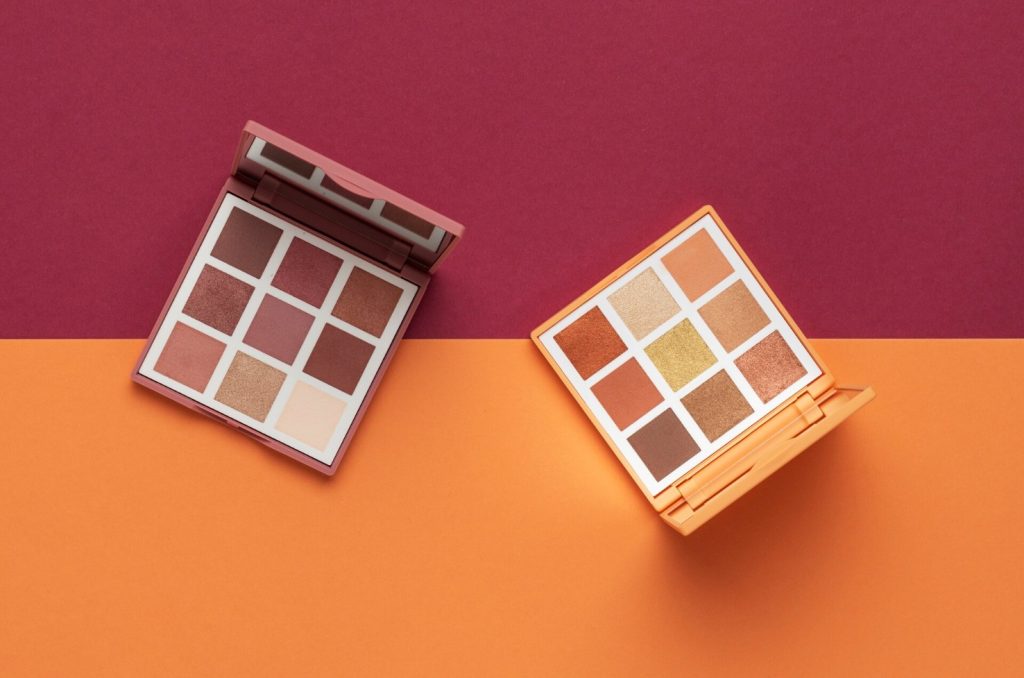
In the cosmetics industry, packaging plays a pivotal role in creating an impactful first impression. Custom plastic eyeshadow palettes, in particular, require thoughtful design to not only protect the product but also enhance its appeal to consumers. This guide will walk you through the key steps in designing a custom plastic eyeshadow palette, from understanding your audience to working with manufacturers like EzraMade for high-quality injection molding.
Step 1: Understand Your Brand and Audience
Before diving into the design process, it’s essential to understand your brand and target audience. The packaging should reflect the style and values of your brand while appealing to your consumer’s preferences. Whether you’re targeting a high-end market or a more budget-conscious demographic, your packaging should align with these expectations.
- Brand Identity: Is your brand modern and sleek, or is it more classic and luxurious? Choose packaging materials and designs that reflect your brand’s tone and visual language.
- Target Audience: Consider whether your palette is for professional makeup artists, beauty enthusiasts, or general consumers. Each segment may have different needs in terms of functionality and aesthetic appeal.
Step 2: Focus on Functionality and User Experience
While aesthetics are important, the functionality of the eyeshadow palette is crucial. Consumers want packaging that is easy to use, durable, and protective. Here are some aspects to consider:
- Size and Shape: Will the palette be compact for easy portability, or is it designed for a larger range of shades? Consider ergonomic designs that make the palette comfortable to hold and use.
- Closure Mechanism: A secure, easy-to-use clasp or magnetic closure can ensure the palette stays closed and prevents spillage.
- Mirror: Many premium palettes include a mirror for on-the-go application, which adds to the user experience and convenience.
The right design ensures that the palette is practical and easy to use, even when you’re in a rush.
Step 3: Choose the Right Materials for Plastic Injection Molding
Plastic injection molding is the go-to method for creating custom packaging due to its versatility and efficiency. The material you choose will influence both the durability and look of your palette. Here are some commonly used materials:
- Acrylonitrile Butadiene Styrene (ABS): A strong, durable plastic that is perfect for maintaining the integrity of the packaging while offering a smooth surface for design.
- Polycarbonate: Known for its high impact resistance, polycarbonate is another great option for creating sturdy, long-lasting packaging.
- Thermoplastic Polyurethane (TPU): Flexible and resistant to wear and tear, TPU is ideal for creating packaging that needs to endure rough handling.
Working with a manufacturer like EzraMade ensures you can select from a wide range of materials that suit your specific needs, all while benefiting from expert advice and high-quality production standards.
Step 4: Design the Aesthetics
The visual design of the palette is a critical component that will help attract attention in a competitive market. Your design should reflect your brand while also being eye-catching and functional.
- Colors and Graphics: Consider a color scheme that complements your brand’s identity. Bold, vibrant colors can appeal to a younger audience, while neutral tones may be more suited to a luxury brand.
- Branding: Ensure that your logo and other brand elements are subtly incorporated into the design. A well-placed logo can reinforce brand recognition without overshadowing the overall design.
- Textures: Adding textures to the surface of the palette, like embossing or matte finishes, can elevate the tactile experience, making the product feel more premium and high-end.
Step 5: Consider Sustainable Packaging
Consumers are increasingly looking for sustainable products, and this extends to packaging. When designing your custom plastic eyeshadow palette, consider incorporating environmentally friendly materials or design elements:
- Recyclable Plastics: Choose materials that can be recycled to minimize environmental impact.
- Minimalist Packaging: Streamline the design to use less material while maintaining durability and aesthetic appeal.
- Eco-friendly Inks: Use water-based or soy-based inks for printing on the packaging, which are less harmful to the environment than traditional inks.
Step 6: Prototyping and Production
Once you have your design, it’s time to create prototypes. A prototype allows you to test the functionality and appearance of the packaging before going into full production. This phase is essential for identifying any potential issues, such as problems with closures, durability, or the final aesthetic.
After final approval, you can proceed with mass production. Working with an experienced manufacturer like EzraMade will ensure that your custom plastic eyeshadow palettes are produced efficiently, with a low minimum order quantity (MOQ) of 1,000 units, making it easier to enter the market without excessive upfront costs.
Step 7: Launch and Market Your Custom Palette
Once your custom plastic eyeshadow palettes are ready, it’s time to launch them to the market. Your marketing efforts should highlight the unique features of the palette, such as its design, functionality, and any sustainable elements.
Consider partnering with influencers in the beauty community to showcase your product, run targeted social media ads, and offer promotions to build awareness. A strong marketing strategy will help your custom palette gain traction and attract the right customers.
Conclusion
Designing a custom plastic eyeshadow palette involves more than just making something visually appealing—it’s about creating a product that is functional, durable, and aligned with your brand. By understanding your audience, choosing the right materials, and working with a trusted manufacturer like EzraMade, you can produce high-quality packaging that enhances your product and drives consumer interest.
With a low MOQ of just 1,000 units, it’s easier than ever to get started with creating custom plastic packaging that fits your brand’s needs.
About Author