Designing Custom Playing Cards for Cardistry: A Practical Guide
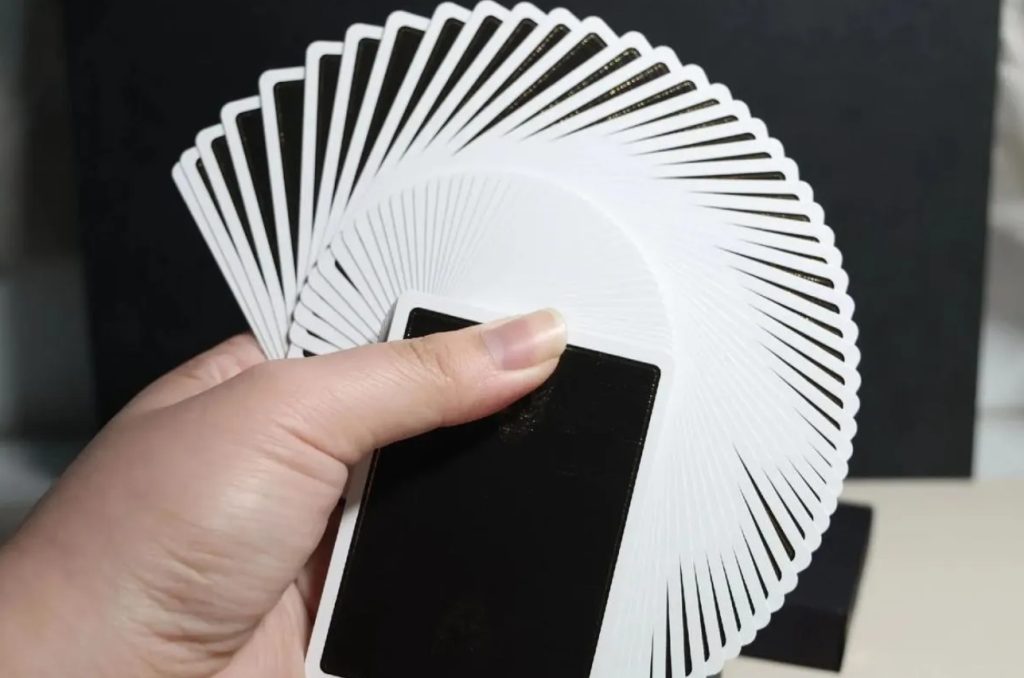
In the world of Cardistry, playing cards are not just tools for tricks—they are a canvas for creativity. Custom-designed decks, particularly those designed for Cardistry, offer a unique way to elevate the visual impact of the performance. One of the most critical aspects of Cardistry card design is ensuring the deck’s aesthetic complements the fluid, intricate movements of the performer. If you’re interested in creating a custom deck for Cardistry, this guide will walk you through the essential steps for designing a deck that is both functional and visually stunning.
Step 1: Understand the Purpose of the Deck
Before diving into design, it’s important to clarify the purpose of the deck and your target audience. Custom Cardistry decks often appeal to two primary groups:
- Cardistry Enthusiasts: These individuals are passionate about the art of Cardistry. The cards need to be visually captivating and easy to manipulate, while also offering durability for repeated use.
- Collectors: Cardistry decks, especially those with custom designs, often attract collectors who appreciate unique and limited-edition items.
Once you’ve identified your audience, your design choices—such as colors, patterns, and materials—will be influenced by what appeals most to them. Whether you’re focusing on performance or collection, the aesthetic and tactile qualities of the cards are critical.
Step 2: Focus on Aesthetic and Functionality
The design of the cards should enhance both the visual impact and the functionality of the deck. For Cardistry, where the cards are constantly in motion, consider the following elements:
- Patterns and Graphics: Cardistry decks often feature intricate designs or bold patterns that catch the eye as the cards are manipulated. The face of the cards should have clean, striking visuals without overcrowding the space, allowing the design to shine while also maintaining functionality.
- Back Design: The back design is especially important in Cardistry. A symmetric design is crucial for smooth handling and rotations. Bold, geometric patterns or swirling lines are common in Cardistry decks, as they accentuate the movement and add flair.
- Color Palette: Choose colors that will stand out when the cards are being manipulated. Bright, contrasting colors or gradients can enhance the visual impact, but the colors should not distract from the performance. A balance between boldness and subtlety is key.
The goal is to create a design that is visually appealing, but that also works well with the fluid motions of Cardistry, enhancing the aesthetic of the tricks.
Step 3: Select the Right Materials
Choosing the right materials for your custom playing cards is crucial to ensuring they perform well in Cardistry. The material should be durable, smooth, and flexible enough to withstand constant handling. The most common material choices for custom playing cards include:
- Paper Stock: High-quality paper with a plastic coating provides a smooth, flexible surface for shuffling and handling. Most Cardistry decks use paper stock with a linen or air-cushion finish for optimal handling.
- Plastic: For increased durability, some Cardistry decks are made from plastic. These cards are waterproof and last longer, but they can feel stiffer compared to paper stock.
- Coatings and Finishes: The coating on the cards influences how they handle. A smooth linen finish or air-cushion finish will improve the cards’ glide and shuffle-ability, making them easier to manipulate during performances. Choose finishes that ensure longevity without compromising the visual design.
Working with a trusted manufacturer like Ezra Card, which specializes in custom playing card printing, ensures that you can select the best materials suited for your design, with expert advice on coatings and finishes that enhance performance.
Step 4: Consider the Card’s Shape and Edge
The shape and edge of the cards are also important considerations for Cardistry. Cards that are too stiff or too thin may not perform as well in complex flourishes. Additionally, edges play a crucial role in how easily the cards slide over each other.
- Rounded Corners: Most custom Cardistry decks have rounded corners. This design choice reduces the likelihood of cards catching or bending during tricks, making the deck more fluid and easier to handle.
- Edge Coatings: Some decks feature colored edges, which not only add an extra visual layer but can make the cards feel more premium. Edge coating also helps to make the deck more durable.
Step 5: Prototyping and Adjustments
After finalizing your design, the next step is to create a prototype. Prototyping allows you to test how the design looks in action and feel how the cards handle. You can evaluate:
- Visual Appeal: Does the design look striking when the cards are in motion?
- Functionality: Are the cards easy to handle? Do the patterns and shapes work well with the movement of the cards during performance?
Getting feedback from Cardistry enthusiasts or professionals at this stage is invaluable. Small adjustments in design or material choices can make a big difference in how the deck performs.
Step 6: Production and MOQ
Once the prototype is perfected, you can move to full production. Custom playing card manufacturers like Ezra Card offer a minimum order quantity (MOQ) of 100 decks, which is ideal for limited-edition releases or small runs. With the right materials, finishes, and customizations, your cards can stand out in the Cardistry community.
Step 7: Market and Sell Your Custom Deck
Once your custom Cardistry deck is in production, it’s time to market and sell it. Focus on the unique aspects of your design—whether it’s the visual appeal, the smooth handling, or the overall concept. Use social media platforms, Cardistry influencers, and niche online marketplaces to promote the deck. Offering limited-edition runs or exclusive designs can also create a sense of urgency, encouraging people to buy quickly.
Conclusion
Designing custom playing cards for Cardistry requires a deep understanding of both the art of Cardistry and the aesthetics that enhance performance. By focusing on unique, striking designs, high-quality materials, and functionality, you can create a deck that stands out in the Cardistry community. With a minimum order quantity (MOQ) of 100 decks, working with a professional manufacturer like Ezra Card allows you to bring your creative ideas to life, ensuring that your cards are crafted with precision and quality.
About Author