Gond Ke Laddu During Pregnancy: Is It Safe? (Recipe)
By Ali Irfan Khan | Updated 2026
Gond Ke Laddu During Pregnancy: Is It Safe? (Benefits, Side Effects & Recipe)
⚡ Quick Facts
- 🍯 Main Ingredients: Gond (edible gum), desi ghee, dry fruits, jaggery
- 🤰 Pregnancy-Safe: Yes, in moderate quantities from the second trimester onward
- 🔥 Calories: ~150–200 per medium laddu
- ❄️ Best Season: Winter
- 🍼 Also Good For: Postpartum recovery and breastfeeding mothers
- ⏱️ Prep Time: Around 45–60 minutes
Table of Contents
- What Is Gond (Edible Gum)?
- Health Benefits Of Gond Ke Laddu
- Is Gond Ke Laddu Safe During Pregnancy?
- Gond Ke Laddu By Trimester
- Side Effects Of Eating Too Much Gond Ke Laddu
- Gond Ke Laddu For Breastfeeding Mothers
- Ingredients For Gond Ke Laddu
- Step-By-Step Gond Ke Laddu Recipe
- Nutrition Table (Per Laddu)
- Tips For Eating Gond Ke Laddu Safely
- Frequently Asked Questions
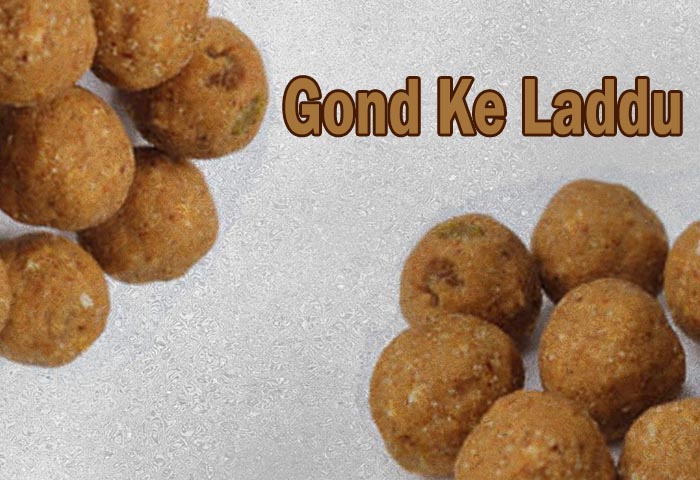
Gond Ke Laddu, also known as Dinkache Ladoo or edible gum laddu, is one of the most popular winter sweets in South Asian households. Made with roasted edible gum, desi ghee, dry fruits, and jaggery, it is traditionally given to pregnant women and new mothers for strength, energy, and recovery. But is gond ke laddu actually safe to eat during pregnancy? In this guide, we break down its health benefits, possible side effects, trimester-wise guidance, and a simple homemade recipe you can try at home.
What Is Gond (Edible Gum)?
Gond is the Hindi term for “edible gum,” a plant-based gum derived from the sap of certain trees. The two most common edible gums used in Asian cooking are Acacia gum (gum Arabic) and Tragacanth gum. Gond is a natural, plant-derived gum that has long been used in traditional Indian and Pakistani cuisine for its believed medicinal properties. Different types of gond have distinct properties and nutrients, so they behave differently in recipes and in the body after consumption.
The most widely used gum in South Asia is Acacia gum, also called gum Arabic, which is the dried sap of the acacia tree. This tree is known as Kikar in Hindi and is also commonly called the Babul tree in Pakistan and India. The gond used to prepare Gond Ke Laddu is the dried sap of the babul/kikar tree, and it is also used to make gond panjiri, another popular winter recipe.
Health Benefits Of Gond Ke Laddu
During winter, gond ke laddu is a popular delicacy enjoyed across generations. It is rich in nutritional value and suitable for most age groups. It is prepared using whole wheat flour and edible gum, and it can be stored for up to a month in an airtight container.
Some of the key benefits associated with gond ke laddu include:
- Provides quick, sustained energy and helps boost immunity
- Supports digestive health due to its fiber content
- Rich in calcium and protein, which supports bone strength
- May help reduce joint pain and inflammation
- Traditionally believed to support uterus recovery after childbirth
- Believed to help increase breast milk production in nursing mothers
- Contains antioxidants and is used in a variety of traditional recipes
- Often used as a home remedy for coughs and colds in winter
- May help relieve muscle and joint pain related to arthritis
Is Gond Ke Laddu Safe During Pregnancy?
During pregnancy, it is important to consume nutritious foods that provide you and your baby with the nutrients you both need, while avoiding foods and beverages that can be harmful. In particular, it’s best to avoid products with very high amounts of added sugar. Along with maintaining a balanced diet, considering prenatal vitamins can help ensure you’re getting essential nutrients throughout pregnancy. If you’re looking for a lower-sugar option, you can also consider substitutes such as maple syrup in moderation.
In addition to a nutritious diet, consider incorporating dry fruits into your meals — they’re a good source of iron and zinc, both of which contribute to your baby’s growth. Always check the moisture level of dry fruits and keep them away from any signs of spoilage.
Adding gond ke laddu to your diet occasionally is a great way to boost energy levels. This sweet ball, made from ghee, whole wheat flour, and nuts, provides nutrients that help you keep up with a busy pregnancy schedule, and makes a comforting dessert to enjoy with family during the cold winter months.
Gond Ke Laddu By Trimester
| Trimester | Recommendation |
|---|---|
| First Trimester | Best avoided or eaten in very small amounts due to its heat-generating nature; consult your doctor first. |
| Second Trimester | Can typically be introduced in small, occasional portions as energy needs increase. |
| Third Trimester | Small portions may help with energy and joint comfort, but should still be limited, especially close to delivery. |
Side Effects Of Eating Too Much Gond Ke Laddu
- Excess body heat, which some believe can increase pregnancy complications
- Unwanted weight gain due to high calorie and ghee content
- Elevated blood sugar levels because of the jaggery content
- Digestive discomfort if too many dry fruits or nuts are consumed at once
Gond Ke Laddu For Breastfeeding Mothers
Gond ke laddu is a traditional postpartum food commonly given to new mothers across South Asia. It is believed to help rebuild the body’s strength after childbirth, support the recovery of the uterus, and increase breast milk production. It is also rich in calcium, iron, and protein, which are especially important for breastfeeding mothers and their babies.
Indian & Pakistani Gond Ke Laddu Traditions
During winter, gond ke laddu remains one of the most popular delicacies across South Asian households. It is rich in calcium, iron, and protein, and is believed to help strengthen bones and improve immunity. It is also considered great for children, toddlers, and nursing mothers. It is relatively easy to make and can be stored for months in an airtight container.
A variety of dry fruits are used to make this healthy sweet, including roasted almonds, raisins, cashews, and coconut. These ingredients are mixed with wheat flour (aata) and cardamom powder to create a delicious, nutrient-dense snack.
Traditionally, laddu is made with whole wheat flour, seeds, nuts, and desi ghee, though store-bought powdered sugar can also be used. The recipe can be adjusted to suit your taste, and acacia gum can be added for extra texture and nutrition. Before starting, it’s important to roast the wheat flour first, then prepare the ghee — homemade ghee generally gives the best results for a light, puffy gond.
Ingredients For Gond Ke Laddu
To start the Gond Laddu Recipe, you’ll need good quality gond, which is a nutrient-dense ingredient containing roughly 50% calcium. It is available in most grocery stores and online. You’ll also need a kadhai or a non-stick pan for frying the gond. Cook it on a low flame in small batches to ensure it fries evenly without burning.
| Ingredient | Quantity |
|---|---|
| Desi Ghee | 4 tsp |
| Gond (Edible Gum) | 1/2 cup |
| Cashew (Kaju), chopped | 10 |
| Almonds (Badam), chopped | 10 |
| Pista, chopped | 10 |
| Raisins (Kishmish) | 8 |
| Gur (Jaggery) | 400 grams |
| Akhrot (Walnuts), chopped | 10 |
| Dry Coconut (Khopra) | 1 cup |
| Poppy Seeds (Khus Khus) | 2 tsp |
| Date Syrup | 2 cups |
| Cardamom Powder (Elaichi) | 1/4 tsp |
| Nutmeg Powder (Jaifil) | 1/4 tsp |
Step-By-Step Gond Ke Laddu Recipe (गोंद के लड्डू की रेसिपी)
Step 1: Roast The Gond
In a heated pan, add desi ghee and roast the gond in small batches until it puffs up and turns golden.
Step 2: Crush The Gond
Once cooled, crush the roasted gond using a rolling pin until it forms a coarse powder.
Step 3: Roast The Dry Fruits, Coconut & Poppy Seeds
In the same pan, lightly roast the dry fruits, dry coconut, and poppy seeds until fragrant.
Step 4: Prepare The Jaggery Mixture
On the other hand, roast the khajur (date) powder with a few drops of desi ghee on low flame, then transfer the roasted khajur powder into the same bowl as the dry fruits.
Step 5: Add Spices
Add the cardamom powder and nutmeg powder to the mixture and combine well.
Step 6: Combine Everything
Now blend in all the dry fruits, including badam, kaju, and raisins, and keep the mixture aside.
Step 7: Mix With Date Syrup
Pour the raisins and date syrup over the dry fruit mixture and mix everything thoroughly.
Step 8: Shape The Laddus
Start shaping the laddus while the mixture is still warm enough to bind, using lightly greased hands.
Nutrition Table (Per Laddu, Approximate)
| Nutrient | Approximate Amount |
|---|---|
| Calories | 150–200 kcal |
| Fat (mainly from ghee) | 8–12 g |
| Carbohydrates | 18–22 g |
| Protein | 2–4 g |
| Calcium | Moderate to high, from gond and dry fruits |
Note: Values vary depending on portion size and exact ingredient ratios used.
Tips For Eating Gond Ke Laddu Safely During Pregnancy
- Limit yourself to one small laddu at a time, a few times a week rather than daily
- Avoid eating it late at night, since it can generate body heat
- Choose homemade laddus made with controlled amounts of ghee and jaggery
- Consult your doctor if you have gestational diabetes before eating jaggery-based sweets
- Pair it with a balanced diet rather than relying on it as a main source of nutrition
Frequently Asked Questions
Is gond ke laddu safe during pregnancy?
Yes, gond ke laddu is generally safe in moderate amounts. It provides calcium, iron, and energy, but should be eaten in small quantities since it can generate body heat and is calorie-dense.
How much gond ke laddu can a pregnant woman eat per day?
Most nutritionists suggest limiting intake to one small laddu, a few times a week, rather than daily, especially during the first trimester.
Can gond ke laddu cause miscarriage?
There’s no direct scientific evidence linking moderate consumption to miscarriage, but excessive intake in the first trimester is often discouraged due to its heat-generating properties.
Is gond ke laddu good for breastfeeding mothers?
Yes, it’s traditionally given to breastfeeding mothers, as it’s believed to help increase milk production, rebuild strength after delivery, and support joint and bone health.
What is gond made of?
Gond, or edible gum, is a plant-based gum extracted from tree sap, most commonly from the acacia (kikar/babul) tree, also known as gum Arabic.
What is the best time to eat gond ke laddu during pregnancy?
It’s best eaten during winter or cooler weather, ideally in the morning or as a mid-day snack, rather than late at night.
Can gond ke laddu be eaten in the first trimester?
Many doctors advise caution during the first trimester due to its heat-producing nature, and recommend introducing it in small amounts from the second trimester onward, after consulting a doctor.
How many calories are in one gond ke laddu?
One medium-sized gond ke laddu typically contains around 150 to 200 calories, depending on the amount of ghee, jaggery, and dry fruits used.
What are the side effects of eating too much gond ke laddu?
Overeating can lead to excess body heat, weight gain, elevated blood sugar due to jaggery content, and digestive discomfort.
Can diabetic pregnant women eat gond ke laddu?
Pregnant women with gestational diabetes should avoid or strictly limit gond ke laddu due to its high jaggery and sugar content, and should consult their doctor first.
Is gond ke laddu the same as gond katira?
No. Gond ke laddu is a cooked sweet made from roasted edible gum, ghee, dry fruits, and jaggery, while gond katira is a different edible gum typically used as a cooling agent in summer drinks.
Conclusion
Gond ke laddu is a nutritious, traditional winter sweet that can be a healthy addition to a pregnancy or postpartum diet when eaten in moderation. Rich in calcium, iron, and energy-giving nutrients, it supports strength and recovery, but should be paired with a balanced diet and consumed in small, controlled portions — especially in the early stages of pregnancy. Always check with your doctor before making it a regular part of your diet.
For more pregnancy nutrition guidance, check out our article on early pregnancy symptoms, or explore the benefits of dry fruits and nuts and pistachios for a well-rounded winter diet.
About Author